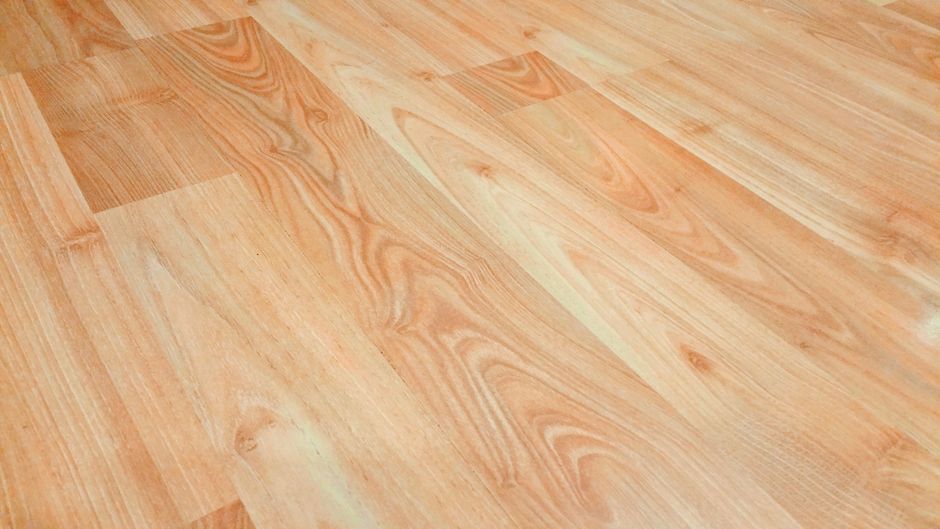
How to clean laminate flooring to remove water stains
Water marks on laminate can be maddening. One day the floor looks bright and tidy, and the next there's a cloudy patch by the sink, a dull ring near the washing machine, or a stubborn white stain where a spill sat a bit too long. If you're wondering how to clean laminate flooring to remove water stains, the answer is usually a mix of gentle cleaning, fast drying, and a careful check of what kind of mark you're actually dealing with.
Truth be told, laminate is forgiving in some ways and fussy in others. It can look great for years if it's cleaned the right way, but it does not love standing water, steam, or harsh scrubbing. In this guide, you'll get a practical, no-nonsense approach: what water stains are, what works, what can make them worse, and how to tell whether you can fix the mark yourself or whether the board has been damaged more deeply. A quick note before we dive in - if you're dealing with wider home cleaning as well, services like deep cleaning and hard floor cleaning are worth knowing about when a floor needs more than a basic wipe.
Why water stains on laminate matter
Water stains on laminate flooring are more than a cosmetic nuisance. Sometimes the mark is simply residue sitting on the surface - think dried cleaning solution, mineral deposits, or a faint film left behind after wiping with too much water. Other times, the stain is a warning sign that moisture has started to creep into the seams or edges. And once laminate takes on water underneath the top layer, it can swell, bubble, or go dull in a way that cleaning alone cannot fully reverse.
That's why spotting the difference matters. A surface mark can often be removed safely with the right method. A deeper stain may need drying, edge protection, or a more realistic expectation. Let's face it, nobody wants to spend half a Saturday scrubbing only to make the patch bigger. The trick is to work gently, dry thoroughly, and avoid doing anything that forces water into the plank.
In UK homes, this comes up a lot in kitchens, hallways, utility rooms, and near patio doors - places where wet shoes, condensation, or a small leak can leave marks behind. If the floor is part of a broader end-of-tenancy clean, or if there's a lot of visible wear, a professional house cleaning service may be a sensible next step after you've dealt with the immediate stain.
How laminate responds to water stains
Laminate flooring is usually built in layers. The top layer is designed to resist wear, while the core is more vulnerable to moisture. That's the key point: you're not cleaning one solid block of timber, you're cleaning a layered product with a protective surface and a sensitive base.
So how do water stains form?
- Surface residue: Dried water, soap, or mineral content leaves a cloudy mark but hasn't penetrated the board.
- Edge moisture: Water sits in the joints and causes slight swelling or a pale line along the seam.
- Finish dulling: Repeated damp mopping wears down the sheen and makes the area look patchy.
- Deep water damage: The board absorbs moisture and begins to warp, bubble, or lift.
The cleaning method should match the problem. A vinegar solution may help with residue on some floors, but it won't fix swollen boards. A dry microfiber cloth can lift a light film, but it won't reverse edge damage. That distinction saves time, and honestly, it saves a bit of frustration too.
If you're used to cleaning other hard surfaces, laminate can feel unexpectedly picky. It is not the best place for heavy steam, soaking mops, or a "more is better" approach. A little restraint goes a long way.
Key benefits and practical advantages
Learning the proper way to remove water stains from laminate flooring gives you a few very real advantages. First, you protect the finish. Second, you reduce the risk of swelling and edge lift. Third, you avoid making a minor mark into a permanent repair job. Small win, but a useful one.
- Better appearance: A clean, even finish makes the whole room feel brighter.
- Less damage: Safe cleaning prevents extra moisture from seeping into seams.
- Longer flooring life: Good maintenance slows wear and keeps the surface looking newer for longer.
- Faster routine cleaning: Once you know what works, future spills are easier to handle.
- Lower cost over time: Preventing board replacement is usually much cheaper than repairing damage.
Expert summary: If a water stain is only on the surface, gentle cleaning and quick drying usually give the best result. If the board has swollen or lifted, cleaning can improve the appearance, but it will not restore the laminate to factory condition.
That's the honest version, and it's the one that helps you make good decisions. Not every mark needs drama. But not every mark should be scrubbed into submission either.
Who this is for and when it makes sense
This approach is for homeowners, tenants, landlords, and anyone looking after laminate in a busy property. It's especially useful if you've got:
- white rings after a spill
- cloudy patches from cleaning too wet
- marks near sinks, radiators, dishwashers, or exterior doors
- streaks left behind by poor rinsing
- a floor that looks tired after winter weather and muddy shoes
It also makes sense if you're preparing a property for inspection, moving out, or trying to bring a room back to a presentable standard without replacing boards. If the whole property needs attention, a one-off visit from one-off cleaning support can be a practical way to deal with the broader mess while you focus on the floor itself.
On the other hand, if the laminate is visibly bubbling, soft underfoot, or lifting along the edges, you may be past the point where cleaning alone is enough. In that case, the most helpful "cleaning" step is really damage control: dry the area, reduce traffic, and assess whether a board needs replacing.
Step-by-step guidance
Here's the safest, most effective way to tackle water stains on laminate flooring.
1. Remove loose dirt first
Start with a soft broom, a dry microfibre mop, or a vacuum designed for hard floors. If grit is left behind, you can scratch the surface while wiping the stain. It's a boring first step, yes, but it matters.
2. Work out what kind of stain you have
Look closely in natural light if possible. Is the mark cloudy and sitting on top? Is it a chalky ring? Is the seam darker or raised? Surface residue usually wipes off. Moisture trapped in the board often looks uneven and may have a slightly swollen feel.
3. Use a barely damp microfibre cloth
Dampen the cloth lightly with warm water. Not wet. Just damp. Wipe the stain in one direction, then dry the area immediately with a second clean cloth. That quick drying step is non-negotiable on laminate.
4. Try a gentle cleaning solution if needed
If plain water does not help, use a laminate-safe cleaner or a very mild solution recommended for sealed hard floors. Apply it to the cloth rather than pouring it on the floor. Wipe, then buff dry. If the flooring manufacturer warns against vinegar, follow that guidance - some surfaces react badly to acidic cleaners, especially if used often.
5. For mineral-like white marks, test carefully
Some water stains are really mineral deposits from hard water. In those cases, a mild cleaner may help more than water alone. Always test in a discreet corner first. That way, if the finish is touchy, you find out on a hidden patch, not right in the centre of the room. A tiny test patch can save a lot of regret.
6. Dry thoroughly
Open a window if the weather allows, or use a fan to encourage drying. Keep socks, pets, and wet shoes off the area for a while. The floor should feel completely dry, not just look dry. Those are two different things.
7. Check the result after the floor settles
Sometimes a mark looks better immediately, then becomes more visible again once the area dries. That's useful information. If it returns, you may be dealing with deeper moisture or surface dulling rather than a removable stain.
8. If the stain remains, stop escalating too quickly
Don't jump straight to abrasive pads, bleach, steam, or aggressive scrubbing. If the floor is still stained after gentle treatment, the problem may not be dirt at all. At that point, drying, spot repair, or board replacement may be the sensible route.
Expert tips for better results
A few small habits make laminate much easier to keep clean. In our experience, the difference is usually in the drying, not the wiping.
- Work from the outside in: This stops the stain from spreading into a larger damp patch.
- Use two cloths: One for cleaning, one for drying. Don't keep rubbing a wet surface with the same cloth.
- Clean little and often: Regular light maintenance is kinder than occasional heavy cleaning.
- Protect high-risk areas: Mats by entrances and trays under plant pots can reduce future staining.
- Lift the cause, not just the mark: If water keeps returning, look for leaks, drips, condensation, or poor wiping habits.
If you're cleaning the rest of the property too, it's worth thinking about the full floor plan. Laminate in hallways can be affected by muddy shoes, while adjoining rooms may need domestic cleaning support or a broader reset. A tidy floor in a messy room still looks tired, after all.
One small but useful trick: if the stain appeared after mopping, review the mop itself. A very wet mop can push moisture into joints even when the floor looks perfectly dry from a distance. It's one of those annoying little things that catches people out.
Common mistakes to avoid
Most laminate damage comes from trying to clean it like tile or sealed vinyl. It's tempting, but not the best idea.
- Using too much water: Standing moisture can seep into seams and swell the core.
- Steam cleaning: Steam can force heat and moisture into the boards. Bad combination.
- Abrasive scrubbers: Scouring pads can dull the finish or create visible scratches.
- Harsh chemicals: Strong bleach or solvent-based cleaners may strip or mark the surface.
- Leaving puddles to dry on their own: That's often how a small problem becomes a bigger one.
- Ignoring recurring dampness: If the stain keeps coming back, there's likely an underlying issue.
People sometimes assume more pressure equals better cleaning. On laminate, that's rarely true. Gentle is not lazy; it's the correct method. There's a difference.
Tools, resources and recommendations
You don't need a cupboard full of products to do this well. A few simple tools are enough in most homes.
- soft broom or hard-floor vacuum
- two or three clean microfibre cloths
- mild laminate-safe floor cleaner
- small bucket or spray bottle for dampening cloths
- dry towel for finishing and buffing
- fan or open window for faster drying
If you're comparing cleaning support for the rest of the house, it can help to look at a company's broader service range. For example, if laminate water stains are part of a bigger maintenance issue, related services such as deep cleaning, cleaners, or cleaning company services may be useful. That's especially true when the floor is only one part of a larger post-tenant or post-renovation clean.
There's also a practical judgment call here. If the stain is small and fresh, a cloth is enough. If the floor has been badly affected by a leak or repeated mop water, you may need a more structured approach and a proper drying period. Sometimes the best tool is patience. Annoying, but true.
Law, compliance, standards, or best practice
There usually isn't a special legal rule for cleaning laminate stains at home, but good practice matters. In the UK, property owners, tenants, and cleaners are generally expected to avoid causing further damage while carrying out routine care. That means using appropriate products, following manufacturer guidance where available, and not flooding a floor with water in the hope it will somehow come out better. It won't.
If you're a tenant, it's sensible to clean in a way that preserves the flooring condition expected under your tenancy agreement. If you're a landlord or managing a property, you'll want cleaning methods that avoid unnecessary wear between occupancies. For cleaner, contract-based work, many reputable providers also keep internal health and safety policy standards and insurance and safety arrangements in place to reduce risk and keep work predictable.
Best practice is simple here: use minimal moisture, dry the area promptly, and act quickly when spills happen. If you're unsure whether a product is safe for laminate, check the floor's care guidance or test in a hidden area first.
Options, methods, or comparison table
Not every stain needs the same treatment. Here's a practical comparison.
| Method | Best for | Pros | Risks |
|---|---|---|---|
| Dry microfibre wipe | Light film, dust, recent splash marks | Very safe, quick, no added moisture | May not remove stubborn mineral marks |
| Lightly damp cloth | General water stains on the surface | Gentle and effective when followed by drying | Too much water can seep into joints |
| Laminate-safe cleaner | Residue, streaks, dull patches | Helps lift films without heavy scrubbing | Wrong product can leave haze or damage finish |
| Drying and monitoring | Possible deeper moisture or edge staining | Prevents further damage and reveals the true issue | Does not "fix" severe swelling |
| Board replacement | Warped, lifted, or permanently damaged laminate | Restores appearance where cleaning cannot | More costly and often needs a fitter |
To be fair, this is where people often get caught out: they treat a structural issue like a surface stain. If you can feel the damage with your fingertips, cleaning may only do so much.
Case study or real-world example
A common situation: a kettle is knocked near a kitchen doorway on a cold morning. The spill is wiped, but not dried properly. By the afternoon there's a faint white patch where the water sat, and the floor looks slightly cloudy in the light. Not dramatic, just annoying enough to keep catching your eye.
The first pass should be a dry microfibre wipe to remove any leftover residue. If that doesn't do much, a lightly damp cloth with a mild cleaner is the next sensible move, followed immediately by drying with a clean towel. In many cases, that clears the film.
If the patch remains and the seam looks slightly raised, the issue may be deeper. In a real home, especially one that gets a lot of foot traffic, the right response is often to stop cleaning aggressively, dry the room well, and check whether the leak came from above, below, or from repeated damp mopping. Simple, but it works.
That kind of job also highlights why a broader service can help. If a floor is affected after a busy tenancy or renovation period, a service like end-of-tenancy cleaning or after builders cleaning may be the better route than spot treatment alone.
Practical checklist
Use this quick checklist before and during cleaning.
- Remove grit and loose dirt first
- Identify whether the stain is surface residue or deeper water damage
- Use a dry or barely damp microfibre cloth
- Apply cleaner to the cloth, not directly to the floor
- Dry the area immediately after wiping
- Test any new product in a hidden spot first
- Avoid steam, abrasive pads, and soaking mops
- Check seams and edges for swelling or lift
- Improve ventilation while the floor dries
- Investigate repeat stains for leaks or recurring moisture
If you can tick off all ten, you're already ahead of most quick-fix attempts. Small thing, but it makes a difference.
Get a free quote today and see how much you can save.
Conclusion
Knowing how to clean laminate flooring to remove water stains is really about matching the method to the mark. If the stain is only on the surface, gentle cleaning and fast drying usually solve it. If the floor has absorbed moisture, the goal shifts from scrubbing to protecting the area and limiting further damage. That difference matters more than most people realise at first glance.
Keep it simple: use minimal moisture, dry straight away, and don't overwork the surface. If the stain persists, step back and assess whether it is a cleaning issue or a damage issue. That calm approach saves time, preserves the floor, and keeps a small spill from turning into a bigger headache. And if the room still feels a bit off afterwards, that's okay - sometimes a floor just needs a little extra care, not a miracle.
Handled patiently, laminate can still look clean, fresh, and very much part of a well-kept home.
Frequently Asked Questions
Can water stains be removed from laminate flooring?
Yes, if the mark is on the surface or caused by residue, a gentle clean with a dry or lightly damp microfibre cloth often removes it. If the laminate has swollen or lifted, the stain may not fully disappear because the damage is deeper.
What is the safest thing to use on laminate for water stains?
A dry microfibre cloth is the safest starting point. If needed, move to a lightly damp cloth with a laminate-safe cleaner. Always dry the area immediately afterwards.
Can I use vinegar on laminate flooring?
Sometimes people use diluted vinegar for light residue, but it is not ideal for every laminate floor and may not suit all finishes. If the manufacturer warns against it, don't use it. Mild, laminate-safe cleaners are the safer choice.
Will steam cleaning remove water stains from laminate?
No, steam is risky on laminate. It can force heat and moisture into the boards and make the problem worse, especially near seams and edges.
Why does my laminate look cloudy after mopping?
It is often caused by too much water, leftover cleaning solution, or mineral residue. A proper dry buff with a microfibre cloth may help, but recurring cloudiness usually means the floor is being cleaned too wet.
How do I know if the stain is damage and not dirt?
If the board feels raised, soft, or uneven, or if the mark sits along the seam and keeps returning after cleaning, you may be dealing with actual water damage rather than a surface stain.
Can I fix swollen laminate myself?
You can dry the area, improve ventilation, and stop further moisture exposure, but swollen laminate rarely returns fully to its original shape. In many cases, board replacement is the only proper fix.
How long should I dry laminate after cleaning a water stain?
As long as needed for the area to feel fully dry. That may be quick for a small stain, but if moisture has collected in joints, it can take longer. Fans and open windows help.
Is there a difference between a water stain and a water ring on laminate?
Yes. A ring is often surface residue or dried moisture, while a stain can also indicate moisture trapped under the finish or at the seams. The treatment depends on which one you have.
What should I avoid using on laminate flooring?
Avoid soaking mops, steam cleaners, abrasive pads, bleach, and harsh solvents. These can dull, scratch, or swell the floor, even if they seem to clean well at first.
Can professional cleaners help with laminate water stains?
Yes, especially if the flooring is part of a larger clean or if you want help assessing whether the issue is surface staining or deeper damage. A trusted cleaner or home cleaners service can be useful when the job needs more than a quick wipe.
When should I stop cleaning and call it damage?
If the stain does not improve after gentle cleaning, or if the board is swollen, lifting, or soft, it is sensible to stop scrubbing. At that point, the issue is probably beyond normal stain removal.
Does prevention really make a big difference?
Absolutely. Quick spill cleanup, dry mopping, entrance mats, and proper ventilation all reduce the chance of water marks. On laminate, prevention is not a bonus - it is half the job.