Health and Safety Policy for Housecleaning Services
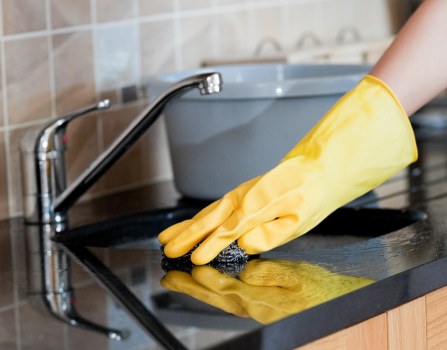 Our housecleaning services health and safety policy is designed to protect clients, cleaners, visitors, and property while maintaining high standards of cleanliness. We are committed to creating a safe working environment through careful planning, responsible practices, and ongoing awareness of risks. This policy applies to all cleaning tasks, whether carried out in homes, apartments, shared spaces, or other domestic settings.
The purpose of this policy is to reduce the chance of injury, illness, damage, and unsafe working conditions. Every member of our team is expected to follow safe methods, use equipment correctly, and report concerns without delay. Safety is part of quality service, and it must be considered before, during, and after each cleaning job.
We recognise that cleaning work can involve slips, chemical exposure, lifting strain, and contact with sharp or contaminated items. For that reason, our house cleaning safety policy focuses on prevention, control, and accountability. Cleaners are trained to work carefully, respect personal space, and handle all materials in a way that reduces risk to people and property.
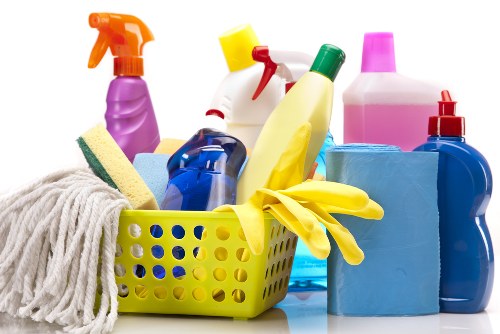 All staff must carry out a basic risk check before starting work. This includes identifying wet floors, fragile items, poor lighting, obstructed walkways, unstable furniture, and any other condition that may create danger. If a hazard cannot be controlled safely, the task should be delayed or adjusted until the risk has been reduced.
To support safe performance, cleaners should wear suitable clothing and any required personal protective equipment. Gloves, non-slip footwear, and protective coverings may be used depending on the task. Our housecleaning policy requires that equipment is kept in good condition, inspected regularly, and used only for its intended purpose.
Cleaning products must be handled with care. Chemical containers should remain clearly labelled, tightly closed, and stored away from heat, food, and children. Staff must never mix products unless the manufacturer instructions permit it. Where possible, safer and less aggressive products should be preferred, especially in enclosed areas with limited airflow.
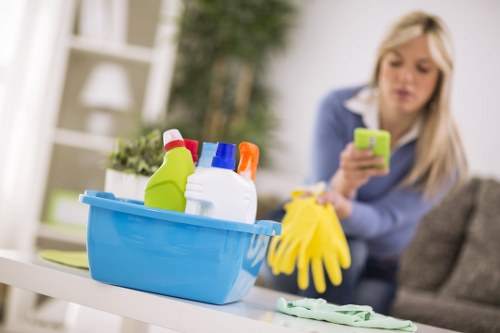 Manual handling is another important part of this policy. Cleaners should use proper posture, avoid overreaching, and ask for help when moving heavy items such as vacuum cleaners, laundry loads, or bins. Repetitive tasks should be paced to reduce fatigue, and short pauses may be taken when needed to maintain safe work quality.
Our health and safety policy for housecleaning services also addresses biological and hygiene risks. When cleaning bathrooms, kitchens, waste areas, or spaces containing bodily fluids, staff must follow enhanced hygiene controls. This may include using disposable gloves, washing hands thoroughly, separating cleaning cloths, and disposing of waste responsibly to prevent contamination.
Electrical safety must also be observed. Cleaners should check cords, plugs, sockets, and appliances before use. Damaged electrical equipment must not be used. Water must be kept away from electrical fittings and devices wherever possible. If a cleaning task involves powered equipment, instructions should be followed carefully and the area should remain stable and dry.
Roles and Responsibilities
Managers and supervisors are responsible for making sure workers understand this policy and have the knowledge needed to apply it. They should provide appropriate training, suitable supplies, and clear procedures for safe cleaning work. Good supervision helps prevent mistakes and ensures that unsafe situations are dealt with promptly.
Employees are responsible for following safe practices, remaining alert to hazards, and communicating concerns immediately. They must not take shortcuts that could put themselves or others at risk. If a cleaner is unsure whether a task can be completed safely, they should stop and seek direction before continuing.
Clients and occupants also play a role in maintaining a safe environment. They should remove obvious obstacles where possible, inform the cleaning team about known hazards, and avoid entering freshly cleaned or wet areas until surfaces are dry. Cooperation helps create a safer and more efficient service for everyone involved.
Safe Working Practices
Housecleaning services should always be delivered using safe and practical routines. Floors must be marked when wet, cleaning tools should be stored neatly, and walkways should remain clear. Staff should avoid rushing, as speed must never compromise safety. A careful approach reduces accidents and improves service consistency.
Where ladders, step stools, or reaching tools are required, they must be used only by trained staff and only when suitable for the task. Standing on chairs, tables, or unstable surfaces is not permitted. Likewise, cleaners should not attempt tasks that exceed their training, physical ability, or the safe limits of the equipment available.
Incident reporting is essential. Any injury, near miss, spill, breakage, or unsafe condition must be reported as soon as possible. Prompt reporting allows corrective action and helps prevent repeated problems. All incidents should be reviewed so lessons can be learned and safety procedures improved over time.
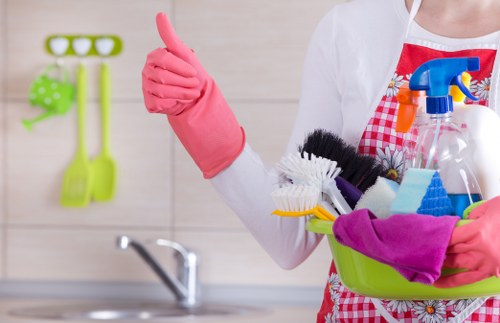 Emergency preparedness is part of our overall health and safety approach. Staff should know what to do in the event of fire, injury, chemical exposure, or a serious spill. Emergency situations must be handled calmly, and emergency services or responsible adults should be contacted when required. First aid supplies should be available where appropriate.
We are also committed to regular review of this policy. As working methods, cleaning materials, and service needs change, the policy will be updated to remain effective and practical. Training records, inspection results, and incident trends should be used to support continuous improvement and reinforce a positive safety culture.
 By following this housecleaning health and safety policy, we aim to protect people, preserve property, and provide reliable cleaning services with care and professionalism. Everyone involved is expected to support these standards and contribute to a safe, respectful, and well-managed working environment.