Rug Cleaning in Housecleaningservices: A Practical, Professional Approach to Cleaner Homes
Why Rug Cleaning Matters in Housecleaningservices
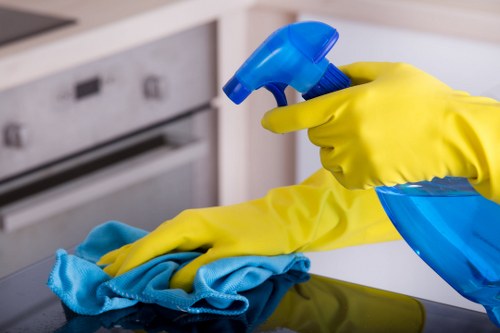
Rug cleaning is one of the most important parts of housecleaningservices because rugs do more than decorate a room. They trap dust, absorb spills, hold pet dander, and collect fine particles that regular floor cleaning may miss. When a rug is cared for properly, it helps improve indoor air quality, keeps living spaces looking fresh, and extends the life of your flooring investment.
Many homeowners assume that routine vacuuming is enough, but professional rug cleaning goes beyond surface dirt. It targets the grit, allergens, and embedded soils that build up over time. That makes rug cleaning in housecleaningservices essential for homes with children, pets, frequent guests, or high foot traffic.
Whether the rug is placed in a hallway, under a dining table, or in a family room, it naturally takes on more wear than other fabrics in the home. With the right cleaning methods, rugs can stay vibrant, soft, and healthier for longer. This is why many people choose specialized rug cleaning services as part of their regular home maintenance.
How Rug Cleaning Fits Into Housecleaningservices

In a well-organized home cleaning plan, rug care should be treated as a core task rather than an afterthought. Housecleaningservices often include vacuuming, dusting, mopping, and sanitizing, but rugs require a separate strategy because of their fibers, backing, dyes, and construction. A quality service considers rug material, placement, and condition before selecting the best method.
There are several reasons rug cleaning fits naturally into housecleaningservices. First, rugs affect the overall appearance of a room. A clean rug brightens a space, while a dusty or stained one can make the whole room feel neglected. Second, rugs can become a source of odors if spills, moisture, or pet accidents are left untreated. Third, deep rug cleaning supports a cleaner home environment by removing allergens that ordinary cleaning can leave behind.
Professional cleaning teams often coordinate rug care with other household tasks such as upholstery cleaning, floor polishing, and dust removal. This coordinated approach saves time and helps ensure that every part of the home receives consistent attention. Rug cleaning in housecleaningservices is especially valuable for busy households that want convenience without sacrificing quality.
Types of Rugs and Why Cleaning Methods Differ
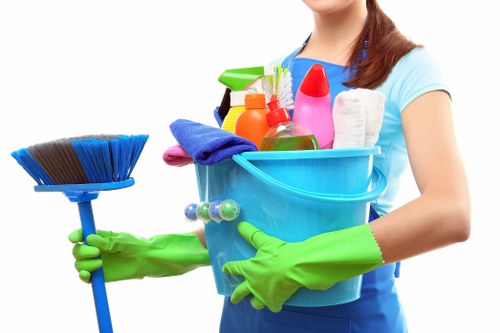
Not all rugs are built the same, and the cleaning method should never be one-size-fits-all. A wool rug, for example, responds differently to moisture than a synthetic rug. Silk, cotton, jute, and blended fiber rugs each have unique needs as well. That is why professional rug cleaning services begin with a careful inspection.
Some common rug types include:
- Wool rugs - durable, soft, and natural, but sensitive to harsh chemicals.
- Persian and Oriental rugs - often handwoven and color-sensitive, requiring gentle care.
- Synthetic rugs - usually more stain-resistant and easier to maintain.
- Cotton rugs - lightweight and washable, but prone to shrinkage if not handled properly.
- Jute and sisal rugs - natural fiber rugs that can be damaged by excessive water.
Because of these differences, the best housecleaningservices tailor the cleaning process to the material. Proper assessment helps prevent fading, fiber damage, or warping. This is one reason why professional rug cleaning is preferred over generic home cleaning products, which may not be suitable for delicate materials.
Common Rug Cleaning Methods Used in Housecleaningservices
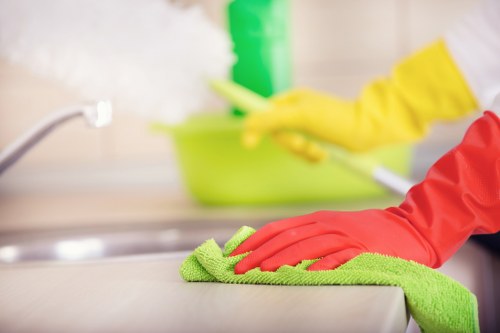
Different rugs and different levels of dirt call for different cleaning methods. Reliable housecleaningservices often choose from a range of techniques based on the rug’s construction and condition. The goal is to remove soil effectively while protecting texture, color, and durability.
1. Vacuuming and Surface Dust Removal
Vacuuming is the first step in most rug cleaning routines. It removes loose dirt, pet hair, crumbs, and dust that settle on the surface. In high-traffic homes, vacuuming should be done often, especially for larger area rugs. This basic step helps prevent abrasive dirt from grinding into the fibers and causing premature wear.
2. Spot Cleaning
Spot cleaning focuses on stains and spills before they become permanent. Small accidents from coffee, juice, makeup, or mud can often be treated with the right solution if addressed quickly. The key is to blot, not rub, because rubbing can spread the stain or damage the pile. Many rug cleaning professionals use targeted spot treatments to address specific marks safely.
3. Deep Cleaning
Deep rug cleaning reaches embedded dirt and allergens below the surface. This may include hot water extraction, low-moisture cleaning, dry compound cleaning, or hand-washing, depending on the rug. Deep cleaning is often recommended every few months for rugs in active spaces. It refreshes the appearance and helps restore softness.
4. Steam Cleaning
Some synthetic rugs respond well to steam cleaning, which uses heat and moisture to lift grime. However, steam is not appropriate for every rug. Delicate natural fibers, antique pieces, and color-sensitive textiles may require a gentler process. The safest rug cleaning in housecleaningservices always starts with fabric evaluation.
5. Dry Cleaning Methods
Dry cleaning is useful for rugs that should not be exposed to much moisture. Specialized compounds or solvents may be used to absorb and remove soil without saturation. This can be an excellent option for certain natural fiber rugs or for settings where quick drying is important.
Benefits of Professional Rug Cleaning
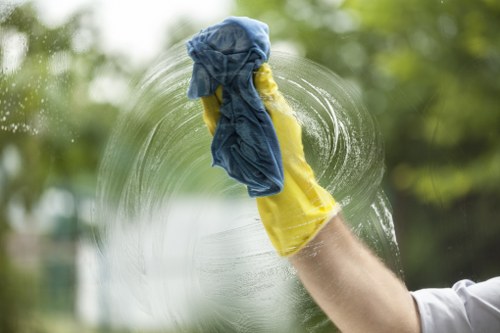
Professional rug cleaning in housecleaningservices delivers benefits that go beyond appearances. It can improve hygiene, preserve valuable textiles, and create a more pleasant living space. Many homeowners are surprised by how much better a room feels after a rug has been thoroughly cleaned.
Key benefits include:
- Improved indoor air quality - rugs often trap allergens, dust, and fine debris.
- Longer rug lifespan - removing abrasive particles helps reduce fiber wear.
- Better stain removal - professional techniques can address marks that home methods cannot.
- Odor reduction - deep cleaning helps remove smells from pets, spills, and moisture.
- Enhanced appearance - colors look brighter, and the texture feels cleaner.
Another advantage is peace of mind. When housecleaningservices handle rug cleaning properly, homeowners do not need to guess which product to use or worry about accidental damage. Expert care is especially important for expensive rugs or sentimental family pieces.
In homes with allergies, pet hair, or frequent entertaining, clean rugs can make a noticeable difference. The fabric becomes less of a dust reservoir and more of a fresh, inviting design feature. That is why many people schedule rug care alongside other recurring housecleaningservices.
Step-by-Step Rug Cleaning Process
A structured cleaning process helps deliver consistent results. While the exact method varies by rug type, the general sequence used in rug cleaning services often follows a practical pattern. This ensures nothing important is overlooked.
Inspection and Fiber Identification
The process begins with a close inspection. Cleaning professionals examine the rug’s materials, construction, dyes, stains, damage, and overall condition. They also identify whether the rug is hand-knotted, machine-made, tufted, or woven. This matters because every construction style reacts differently to moisture and cleaning agents.
Dusting and Dry Soil Removal
Before water or cleaning solution is introduced, loose dirt must be removed. This step is essential because dry soil can turn into muddy residue once wet. For many rugs, mechanical dusting or controlled beating is used to loosen deep debris safely.
Pre-Treatment
Stains and heavy-traffic areas may receive a pre-treatment. This helps break down oils, spills, and residues so they can be lifted more easily during cleaning. A careful pre-treatment approach is one of the reasons housecleaningservices produce better results than generic do-it-yourself methods.
Cleaning Application
The selected method is then applied. Depending on the rug, this might involve shampooing, dry compound cleaning, gentle immersion, or low-moisture extraction. The cleaning agent should be matched to the fiber type to avoid distortion or fading.
Rinsing and Residue Removal
If cleaning chemicals are used, thorough rinsing is important. Leftover residue can attract new dirt faster, making the rug look dirty again sooner. Proper rinsing also helps preserve softness and prevent stiffness.
Drying and Finishing
Drying is a critical stage in rug cleaning. Rugs must be dried evenly to avoid mildew, shrinkage, or odor. Once dry, the rug may be brushed, groomed, or vacuumed again to restore texture and presentation. This finishing step helps the rug look polished and feel inviting.
Rug Cleaning for Homes with Pets and Children
Homes with pets and children often need extra attention when it comes to rug cleaning in housecleaningservices. Spills happen, shoes track in dirt, and fur can accumulate quickly. These conditions make routine cleaning necessary, but they also increase the need for periodic deep cleaning.
Pet owners know that rugs can absorb odors, accident stains, and dander. A basic vacuum may remove loose hair, but it will not always eliminate deep-set smells or hidden residue. Professional rug cleaning services can help neutralize odors and lift contamination more effectively.
For families with children, rugs often become play areas, lounging spaces, and places where snacks and toys end up. That makes cleanliness especially important. Clean rugs support a healthier environment for crawling babies, toddlers, and anyone sensitive to dust or allergens. In these homes, housekeeping teams often recommend a more frequent schedule for both maintenance vacuuming and deep cleaning.
How Often Should Rugs Be Cleaned?
The right cleaning schedule depends on use, material, household size, and exposure to dirt. In general, high-traffic rugs should be vacuumed weekly or more often, while deep cleaning may be needed every 6 to 12 months. However, households with pets, allergies, or heavy use may benefit from more frequent rug cleaning.
Consider these scheduling factors:
- Foot traffic - entryway and hallway rugs collect dirt faster.
- Pets - hair, odors, and accidents require extra care.
- Children - play areas often need quicker stain response.
- Climate - wet or muddy seasons can increase dirt buildup.
- Rug material - delicate fibers may need specialized timing and methods.
The best housecleaningservices often recommend a maintenance plan instead of waiting until a rug looks visibly dirty. Regular care helps protect the fibers and reduces the need for aggressive cleaning later. That is especially important for expensive or handmade rugs, which can lose beauty if neglected.
DIY Rug Care vs. Professional Housecleaningservices
There is a place for DIY rug care, especially for routine vacuuming and small spills. But when stains are stubborn, fibers are delicate, or the rug is large and valuable, professional help is usually the safer choice. The main difference lies in equipment, expertise, and cleaning chemistry.
DIY rug care can work for:
- Light surface dust and crumbs
- Fresh spots that are treated immediately
- Washable synthetic rugs with straightforward care instructions
Professional housecleaningservices are better for:
- Deep-set soil and odor removal
- Antique or handmade rugs
- Pet accidents and recurring stains
- Rugs requiring specialized drying or fiber protection
One risk of DIY cleaning is over-wetting. Excess moisture can lead to mildew, backing damage, or color bleeding. Another risk is using the wrong cleaner, which may bleach, stiffen, or weaken the rug. Professional rug cleaning reduces these hazards by matching the method to the textile.
Rug Stain Types and How Professionals Handle Them
Every stain tells a different story, and each one may require a different response. Rug cleaning in housecleaningservices is often most effective when it begins with stain identification. Food, grease, ink, pet urine, and dirt all behave differently in fibers.
Common stain categories include:
- Water-based stains - juice, coffee, tea, and soft drinks.
- Oil-based stains - makeup, grease, lotion, and food oils.
- Protein-based stains - milk, blood, and pet accidents.
- Colored stains - wine, ink, and dyed beverages.
Professional cleaners use tested techniques to treat each category. For example, a protein stain may need careful temperature control, while an oil stain may require a solvent-based pre-treatment. The benefit of expert rug cleaning is that the process is planned rather than guessed.
Quick action matters too. The sooner a spill is treated, the better the chance of full removal. This is why many housecleaningservices encourage homeowners to report stains promptly so they can be addressed before they set.
Eco-Friendly Rug Cleaning Options
More homeowners now want eco-friendly rug cleaning that supports a healthier home and reduces chemical exposure. This is a growing focus in modern housecleaningservices. Environmentally conscious methods may use biodegradable solutions, low-water processes, and non-toxic spot treatments.
Eco-friendly cleaning can be a smart choice for households with pets, children, or fragrance sensitivity. It also helps reduce harsh chemical buildup in fabrics and indoor air. While greener products can be effective, they still need to be matched carefully to the rug’s material and soil level.
Common sustainable practices include low-moisture cleaning, spot testing before treatment, and using rinse methods that minimize residue. Professional teams often balance environmental concerns with performance so the rug is cleaned thoroughly without unnecessary waste.
What to Expect from a Quality Rug Cleaning Service
A quality rug cleaning service should feel organized, careful, and transparent. The best housecleaningservices do not rush through the process. Instead, they inspect, explain, and clean with attention to detail. That professional approach produces better results and protects the rug.
Look for these signs of quality:
- Clear identification of rug material and cleaning needs
- Appropriate cleaning method selection
- Attention to stains, fringes, and edges
- Proper drying and finishing
- Careful handling of delicate or valuable rugs
A dependable service should also understand when a rug needs extra protection, such as color testing or specialized stain barriers. This level of attention is what separates routine maintenance from expert rug cleaning. When done well, the rug returns looking refreshed, not over-processed.
How Rug Cleaning Supports the Entire Home
Rugs influence the way an entire home feels. When they are clean, the room appears brighter, smells fresher, and feels more welcoming. That is why rug cleaning is such a valuable part of housecleaningservices. It supports not only the rug itself but also the surrounding furniture, flooring, and indoor atmosphere.
Clean rugs can make a living room look more polished, make a bedroom feel calmer, and make entryways more inviting. They also support other cleaning tasks by reducing the amount of dust and debris that circulates through the home. In this way, rug cleaning services contribute to the overall success of a housekeeping routine.
For property owners, landlords, busy families, and anyone who values a neat environment, regular rug care is a practical investment. It protects the look of the home while making day-to-day living more comfortable.
Practical Maintenance Tips Between Deep Cleanings
To keep rugs looking their best between professional visits, a few simple habits can make a big difference. These routines help extend the effects of deep rug cleaning and keep dirt from building up quickly.
Helpful maintenance habits:
- Vacuum regularly using the correct setting for the rug type.
- Rotate rugs every few months to balance wear and sun exposure.
- Use entry mats to reduce tracked-in dirt.
- Blot spills immediately with a clean absorbent cloth.
- Avoid dragging heavy furniture across rug fibers.
- Keep rugs out of prolonged direct sunlight when possible.
These small steps help preserve fiber strength and color quality. They also make each professional cleaning more effective because the rug is starting from a better baseline. For busy homes, this kind of maintenance is one of the easiest ways to protect your flooring investment.
Why Homeowners Choose Rug Cleaning in Housecleaningservices
People choose rug cleaning in housecleaningservices for many reasons: convenience, expertise, better results, and protection for valuable textiles. Rugs are often too important to treat casually, especially when they are expensive, handmade, or central to a room’s design. Professional care gives them the attention they deserve.
In addition, a dedicated cleaning service saves time. Instead of buying multiple products and trying different techniques, homeowners can rely on trained professionals who understand fiber care. That confidence is valuable, especially for households balancing work, children, and everyday responsibilities.
Book your service now if you want cleaner, fresher rugs and a healthier home environment. If your rugs show signs of wear, odors, or stubborn stains, contact us today to make rug cleaning a regular part of your housecleaningservices plan.
Final Thoughts
Rug cleaning is not just about appearance; it is about preserving comfort, cleanliness, and long-term value. When included in a thoughtful home cleaning routine, it helps maintain a healthier space and keeps rugs looking beautiful for years. That is why professional rug cleaning remains one of the smartest choices in modern housecleaningservices.
Simple reminder
Clean rugs, cleaner home, better living. Make rug cleaning a priority, and your home will reflect the difference.