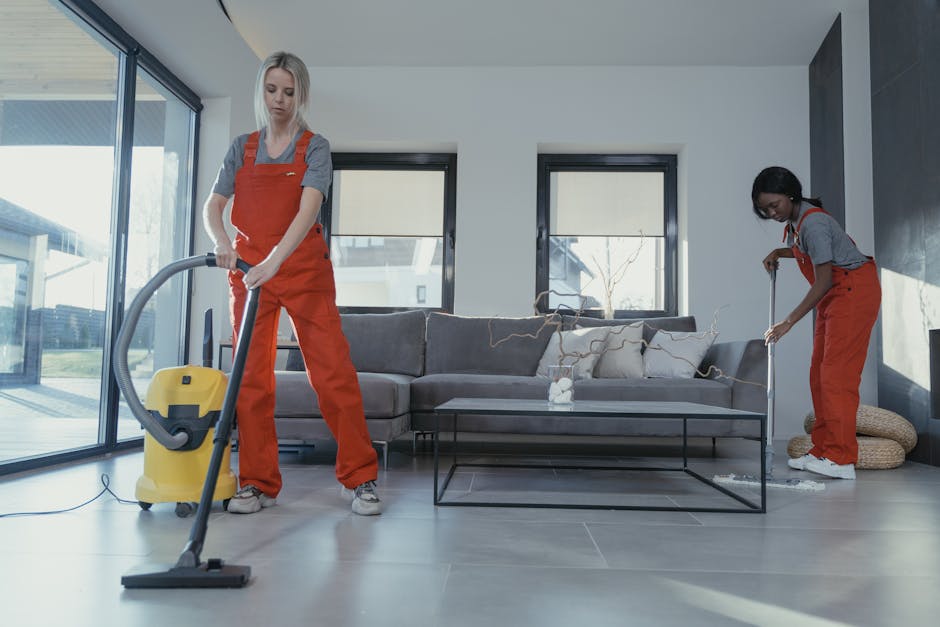
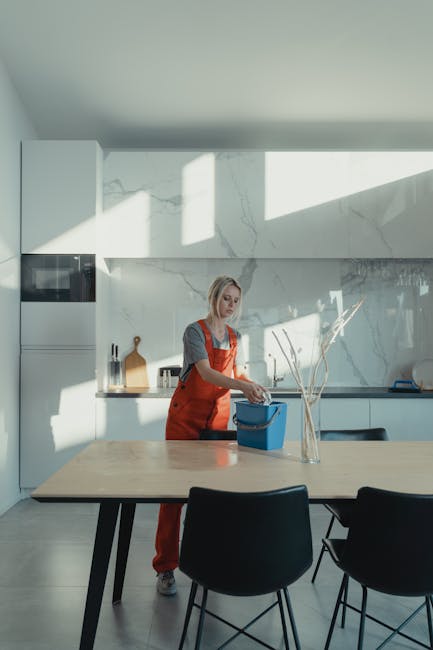
How to prepare a home for a professional cleaning visit
If you've booked a cleaner and are wondering what to do before they arrive, you're not alone. Knowing how to prepare a home for a professional cleaning visit can make the appointment smoother, more efficient, and noticeably better value. It also reduces confusion on the day, which is a relief when life is already busy enough. A little preparation goes a long way: the team can get straight to the real work, and you can avoid the awkward "shall I move this?" dance at the front door.
In this guide, you'll find a practical, no-nonsense approach to preparing each room, deciding what to tidy and what to leave, and understanding where professional cleaning starts and ends. We'll also cover common mistakes, useful tools, and the expectations that help both sides have a good experience.
Table of Contents
- Why it matters
- How it works
- Key benefits
- Who needs this
- Step-by-step guidance
- Expert tips
- Common mistakes to avoid
- Tools, resources and recommendations
- Law, compliance and best practice
- Options and comparison
- Case study example
- Practical checklist
- Conclusion
- Frequently asked questions
Why How to prepare a home for a professional cleaning visit Matters
Preparation changes the whole shape of a cleaning appointment. A professional cleaner can work far more effectively when they can access surfaces, floors, sinks, and key problem areas without spending half the visit shifting laundry baskets or clearing the kitchen counter. That doesn't mean you need to deep-clean before the clean. Not at all. It simply means making the home ready for proper cleaning work.
There's also a trust angle here. When the property is organised, it's easier to agree what will be cleaned, what is off-limits, and what needs extra attention. That clarity matters whether you've booked a regular domestic cleaning service, a more intensive deep cleaning session, or a one-off reset through one-off cleaning. If a cleaner arrives and has to navigate clutter, locked rooms, or fragile items everywhere, the visit can become slower and less thorough. Truth be told, nobody enjoys working around a maze of shoes, chargers, and coffee mugs.
For households with children, pets, shift work, or limited time, preparing well can also make the day calmer. You know where things are. The cleaner knows where to start. And you both save energy on the small stuff. That's the real win.
How How to prepare a home for a professional cleaning visit Works
At its simplest, preparation is about removing obstacles and setting expectations. You don't need to scrub everything beforehand; instead, you create a workable environment so the cleaner can focus on the service you hired them for. In practice, that usually involves three things: clearing access, protecting valuables, and communicating priorities.
Most professional cleaning visits follow a fairly simple rhythm. The team arrives, confirms the areas to be cleaned, checks for anything unusual, and gets to work using their own cleaning process and equipment. If you've made a few sensible preparations, they can start sooner and stay on task. If you haven't, they may need to spend the first part of the visit asking questions, moving items, or waiting while rooms are tidied. That may sound minor, but it adds up.
If you're arranging a specialist service such as carpet cleaning, oven cleaning, or window cleaning, preparation matters even more. These jobs often need access to specific areas, and sometimes a bit of pre-clearing to let the equipment do its job properly. For example, a carpet cleaner can't realistically work around a pile of shoes, toy boxes, and that exercise bike which has become a coat rack. We've all seen one.
If you're booking through a local cleaning company, the best results usually come from a simple partnership: you make the home ready, they handle the cleaning efficiently and professionally.
Key Benefits and Practical Advantages
Prepping your home properly is not about being fussy. It gives you practical advantages that you can actually feel on the day.
- Better use of time: cleaners spend more time cleaning and less time navigating clutter.
- More thorough results: surfaces, corners, and high-touch areas are easier to reach.
- Less risk of damage: fragile items, cables, and loose belongings are moved out of the way.
- Clearer priorities: you can tell the cleaner what matters most, especially in limited time slots.
- Less stress for everyone: a tidy, accessible home is simply easier to work in.
Another often-overlooked benefit is accountability. If you've agreed what should be done before the visit, it's easier to judge the finished result fairly. That's useful whether the appointment is for routine upkeep or a bigger refresh like house cleaning or cleaners for a particularly busy property.
And here's a small one, but it matters: your home often feels better after the cleaners leave when the pre-clean prep has been done well. The rooms don't just look clean; they feel reset.
Who This Is For and When It Makes Sense
This advice is for anyone hiring professional cleaners, but some households will benefit more than others. If your life is busy, your home is large, or you're dealing with a task-specific clean, preparation becomes especially worthwhile.
- Busy families: school bags, toys, snacks, and everyday mess can quickly block surfaces and floors.
- Working professionals: if you're out all day, you need a simple routine to get ready before the visit.
- Older adults or people with mobility needs: light preparation can help cleaners work safely and comfortably.
- Tenants moving out: for end of tenancy cleaning, access and organisation are crucial.
- Homeowners planning a reset: before guests, after illness, or following a hectic period, a clean works best when the property is ready.
- Renovation or repair aftermath: if you've had work done, after builders cleaning typically goes more smoothly when debris and tools have already been removed.
It also makes sense if you've booked a specialist job like sofa cleaning, upholstery cleaning, or rug cleaning, because those services usually depend on clear access to the item and the surrounding space.
If your home is already quite tidy, good. You may only need a 10-minute run-through. If it's a bit chaotic, don't panic. A modest amount of prep is still enough to help a lot. No one expects perfection.
Step-by-Step Guidance
Here's a practical way to prepare a home for a professional cleaning visit without overthinking it.
1. Walk through the property room by room
Start with a quick scan. Look for items on floors, counters, beds, sofas, and bathroom surfaces that could slow things down. Ask yourself: what belongs in this room, and what is just sitting here temporarily? You do not need to organise your whole life. Just clear the obvious clutter.
2. Put away valuables and personal documents
Cash, jewellery, passports, private paperwork, medication, and laptops are best stored securely. This is partly for peace of mind and partly to avoid accidental damage or misunderstandings. A closed drawer or lockable cabinet is usually enough if you know the cleaner won't need access to it.
3. Clear floors and flat surfaces
Floors are the first thing many cleaners want to work on, so remove shoes, bags, toys, and loose items. On counters, clear food packets, cosmetics, washing-up bits, and random post. It sounds basic, but this step alone can transform the visit. Your cleaner isn't there to play hide-and-seek with the toaster.
4. Tidy fragile or sentimental items
Move photo frames, ornaments, plants, candles, and heirlooms to somewhere safe. Even careful professionals can only work around so much. If something would make you nervous to see handled, put it away before the appointment.
5. Deal with dishes, laundry, and bins
To be fair, these are the most common trip hazards for a cleaning appointment. A few plates in the sink are manageable, but a stacked mountain of cookware slows down kitchen work. Likewise, piles of laundry can block floors and beds. Emptying bins beforehand also helps the home feel fresher once the cleaning is done.
6. Secure pets or plan for them
If you have cats, dogs, or smaller pets, plan ahead. Some animals get anxious when strangers come in; others try to "help," which is charming for about 30 seconds. Keep pets in a separate room, arrange a walk, or let the cleaning company know in advance if there are any special considerations.
7. Give clear instructions before the team starts
Highlight your priorities. Maybe the oven needs extra attention, the bathroom is the main pain point, or the staircase carpet has had a rough month. Clear instructions help the team focus where it matters. If you want a more targeted clean, services such as oven cleaner support or carpet cleaner support can be booked with the relevant expectations in mind.
8. Make sure access is straightforward
Check keys, door codes, parking arrangements, visitor passes, and whether someone needs to meet the cleaner at the door. If you've booked a larger visit, a few minutes spent sorting access can save a lot of back-and-forth later. It's the sort of thing people forget until 8:55 on a rainy Tuesday morning, and then everything becomes a bit frantic.
9. Identify any problem areas or restrictions
Let the cleaner know about damaged fittings, loose tiles, delicate surfaces, areas with mould, or anything that should not be touched. Professionals appreciate this. It helps them choose the right method and avoid accidental damage.
10. Do a final five-minute reset
Just before the visit, take one last look through the rooms being cleaned. Close windows if needed, move laundry baskets out of the way, and check that anything private is stored safely. Then stop. Really. At some point you have to hand over the space and let the cleaners do their job.
Expert Tips for Better Results
After enough cleaning visits, a few patterns become obvious. The homes that get the best results usually share the same habits.
Keep communication specific. "Please clean the kitchen" is fine, but "please prioritise the hob, sink, splashback, and cupboard fronts" is much better. The more concrete you are, the less chance of disappointment.
Use a staging basket. If you're short on time, keep a basket or box handy for loose items like remote controls, socks, and toiletries. One sweep, one basket, done. It sounds almost too easy, but it works.
Don't pre-clean the wrong things. Many people spend time scrubbing areas the cleaners would have handled anyway, then run out of energy for the useful prep. Focus on access, not perfection.
Think in zones. If the clean is limited to the kitchen and bathrooms, don't spend ages sorting the spare room. Put your effort where the work will happen.
Tell the team what "good" looks like for you. That might mean shiny taps, dust-free skirting boards, no visible crumbs on the sofa, or a fresh-smelling hallway. Different households notice different things. That's normal.
Book the right service level. If the home needs more than a regular tidy clean, a deeper service may be the better fit. A good match matters more than squeezing everything into the wrong appointment.
One small observation from real-world cleaning jobs: the homes with the clearest prep are usually the ones where the client feels happiest afterwards. Not because the house was perfect before the cleaner arrived, but because everyone knew what to expect. Simple, really.
Common Mistakes to Avoid
Even well-meaning homeowners make a few avoidable mistakes before a professional cleaning visit. The good news? Most of them are easy to fix.
- Deep-cleaning before the cleaner arrives: you don't need to do their job for them.
- Leaving too much clutter in place: clutter hides dust and slows down the process.
- Forgetting to mention special surfaces or damage: this can create risk and confusion.
- Assuming every cleaner handles everything: some tasks may be outside the agreed service.
- Not securing pets: even friendly pets can get underfoot.
- Leaving no access to sinks, bins, or plug sockets: small blocked areas can have an outsized impact.
Another mistake is underestimating how much a five-minute conversation can help. If the cleaner knows the busy rooms, the delicate items, and the main priorities, they can work in a far more focused way. That's the whole point, after all.
And yes, sometimes people apologise for the house being "a mess" when it's just lived-in. Let's be honest: most homes are. Cleaners see real life every day. They're not expecting a showroom.
Tools, Resources and Recommendations
You usually don't need special kit to prepare for a cleaning visit, but a few basics make life easier.
- Storage baskets or boxes: useful for quick decluttering before the appointment.
- Labels or sticky notes: handy if you want to mark fragile items or specific priorities.
- Microfibre cloths: not for doing the main clean, but helpful if you want to dust a few obvious spots beforehand.
- Cleaning caddy: useful for keeping your own products together if the cleaner is not bringing theirs.
- Checklist: a simple written list helps avoid forgetting keys, pet arrangements, or access details.
If you're comparing services, it can also help to look at whether the company offers specialist support for carpets, floors, ovens, or upholstery. For example, if your home has hard surfaces that need a different approach, hard floor cleaning may be more relevant than a general tidy-up. Likewise, if windows are a big concern before guests arrive, window cleaning can be booked as a separate task rather than bundled into a general visit.
When assessing a provider, practical pages such as pricing and quotes, insurance and safety, and the company's health and safety policy can be useful for understanding what is included and how they operate. That's not glamorous reading, no, but it does build confidence.
Law, Compliance, Standards, or Best Practice
For most homeowners, the main concern is not legal complexity but sensible best practice. Still, there are a few points worth keeping in mind in the UK.
Safety first: clear walkways, keep chemicals or sharp objects out of reach, and mention anything that could create a risk during the visit. If cleaners are working in your home, they need a safe, accessible environment, and so do you.
Honest service scope: if a company says a task is outside the agreed booking, respect that boundary. Professional cleaning works best when expectations are clear. That helps avoid complaints later, which is something nobody wants to deal with on a Friday evening.
Data and privacy: if paperwork, mail, or devices are visible, store them away. This is just good household practice, and it keeps personal information from being left out in the open.
Workplace-style care in the home: even though it's a domestic setting, many of the same principles apply: clear hazards, communicate risks, and ensure the job can be done properly. A reputable home cleaners service will usually appreciate straightforward instructions and a safe working space.
If you ever need to review how a provider handles concerns, formal processes such as the company's complaints procedure and terms and conditions are worth understanding before the visit. A careful customer reads the practical bits. Not exciting, but smart.
Options, Methods, or Comparison Table
Not every cleaning visit needs the same level of preparation. The right method depends on the type of service and the condition of the home.
| Preparation level | Best for | What you do | Typical result |
|---|---|---|---|
| Light prep | Regular domestic visits | Clear clutter, secure valuables, give access instructions | Fast start, good efficiency, minimal effort |
| Moderate prep | One-off cleans and busier homes | Remove floor items, tidy surfaces, flag priorities | Cleaner can cover more ground and work more thoroughly |
| Focused prep | Specialist services like ovens, carpets, sofas, or windows | Clear the immediate area and provide item-specific notes | Better access and more effective specialist cleaning |
In simple terms: the more specialised the task, the more you should prepare the immediate area. If you're booking oven cleaning, for example, the cleaner needs room to open doors, move trays, and work safely. If you're booking carpets cleaner support, clear the floor first so the job isn't slowed down by moveable items.
Case Study or Real-World Example
Imagine a typical two-bedroom flat in London on a weekday morning. The client has booked a one-off clean after a hectic month of work and travel. The kitchen table is covered with post, the hallway has three pairs of shoes, and the living room sofa is hiding a few blankets and a charger cable or two.
Before the cleaners arrive, the client spends 20 minutes on preparation. They place valuables in a bedroom drawer, empty the sink, clear the coffee table, and move a couple of fragile ornaments onto a high shelf. They also send a message confirming access and pointing out that the bathroom mirror needs careful handling because of an older fitting nearby.
The result? The cleaners start quickly, focus on the surfaces that matter, and complete the visit without interruption. The client comes home to a fresher kitchen, brighter bathroom, and floors that actually look finished. Nothing dramatic, just a properly run appointment. And that is usually what people want, isn't it?
Now compare that with a home where nothing has been moved, the cleaner has to ask where to start, and the pet keeps darting through rooms. The work still gets done, but it takes longer and feels less organised. Small difference, big effect.
Practical Checklist
Use this checklist on the day before, or even an hour before, your appointment.
- Clear floors in the rooms being cleaned
- Put away valuables, paperwork, and medicines
- Move fragile or sentimental items to a safe place
- Empty sinks where possible
- Tidy laundry, toys, and loose items
- Secure pets or make arrangements for them
- Check access, keys, parking, and entry instructions
- Share any priorities or problem areas in advance
- Flag damage, delicate surfaces, or restricted areas
- Confirm which rooms or items are included in the booking
If you're preparing for a bigger reset, it may also help to review whether you need a deep cleaning visit or a more general house cleaning appointment. The right match saves time and usually produces a better finish.
Get a free quote today and see how much you can save.
Conclusion
Preparing a home for a professional cleaning visit is not about pretending the house is spotless. It's about making the space ready so the cleaner can do meaningful work without avoidable friction. Clear the clutter, protect the valuables, share the priorities, and keep access simple. That's the formula.
Whether you're arranging routine domestic help, a specialist job, or a one-off reset, a bit of prep makes the whole visit smoother and more effective. Less fuss. Better results. A calmer day all round.
And if you're still unsure whether to tidy more or leave things as they are, go with this: make the home easy to work in, then stop. The rest is what the professionals are there for.
Frequently Asked Questions
Do I need to clean before the cleaner arrives?
No, not in the sense of doing the full job yourself. The best preparation is usually clearing clutter, securing valuables, and making access easy. A professional cleaner should handle the actual cleaning tasks.
Should I tidy the whole house before a cleaning visit?
Only the rooms or areas being cleaned, and only enough to give clear access. If you tidy everything to perfection, you may be wasting your own time and energy. Focus on the spaces the cleaner needs to reach.
What should I put away before professional cleaners come?
Put away jewellery, cash, passports, private paperwork, medications, laptops, and any fragile items you would not want moved. It's also sensible to clear loose items from floors and counters.
Do cleaners expect a perfectly tidy home?
No. Professional cleaners expect a lived-in home, not a showroom. They do work best when the space is reasonably organised, but they understand normal household mess.
Should I leave instructions for the cleaner?
Yes, if you have priorities or problem areas. A short note or message about what matters most can save time and prevent misunderstandings. Keep it simple and specific.
How far in advance should I prepare my house?
For most visits, 10 to 20 minutes is enough for light preparation. For a bigger clean or a very busy home, it may take longer. If you can, do the main prep the evening before so the appointment feels less rushed.
What if I have pets?
Try to keep pets in a separate room, arrange a walk, or let the cleaner know in advance how they should enter and move around the home. Even calm pets can get underfoot, and not every animal likes visitors.
Can I ask the cleaner to focus on one room more than others?
Yes, if the service allows it. This is one of the most useful things you can communicate. If the kitchen or bathroom is the priority, say so clearly before the visit begins.
What if some items are fragile or valuable?
Move them to a secure place before the cleaning starts. If anything must stay where it is, point it out directly. That simple step avoids awkward moments and reduces the risk of accidental damage.
Does preparation matter for carpet or sofa cleaning?
Absolutely. For specialist work like carpet, rug, sofa, or upholstery cleaning, the immediate area needs to be clear so the cleaner can reach the surface properly and work safely around the item.
How do I know which cleaning service I need?
Think about the main problem you want solved. If you want ongoing upkeep, a domestic or house clean may be right. If the property needs a bigger refresh, deep cleaning or one-off cleaning may be better. For ovens, carpets, windows, or upholstery, a specialist service is usually the better fit.
What is the biggest mistake people make before a cleaning appointment?
The biggest mistake is usually leaving too much clutter in place and then assuming the cleaner will sort it out. That can slow everything down and reduce the quality of the work. A short prep routine makes a big difference.
Should I move furniture myself?
Only if you can do it safely and the service requires it. Heavy furniture is often best left alone unless you've agreed otherwise. When in doubt, ask the cleaner or company beforehand rather than risking injury.
Is it worth checking terms and safety information before booking?
Yes. It helps you understand what's included, what access is needed, and how the company handles practical issues. Pages such as terms, pricing, insurance, and health-and-safety information are boring in the best possible way: they make the job clearer.