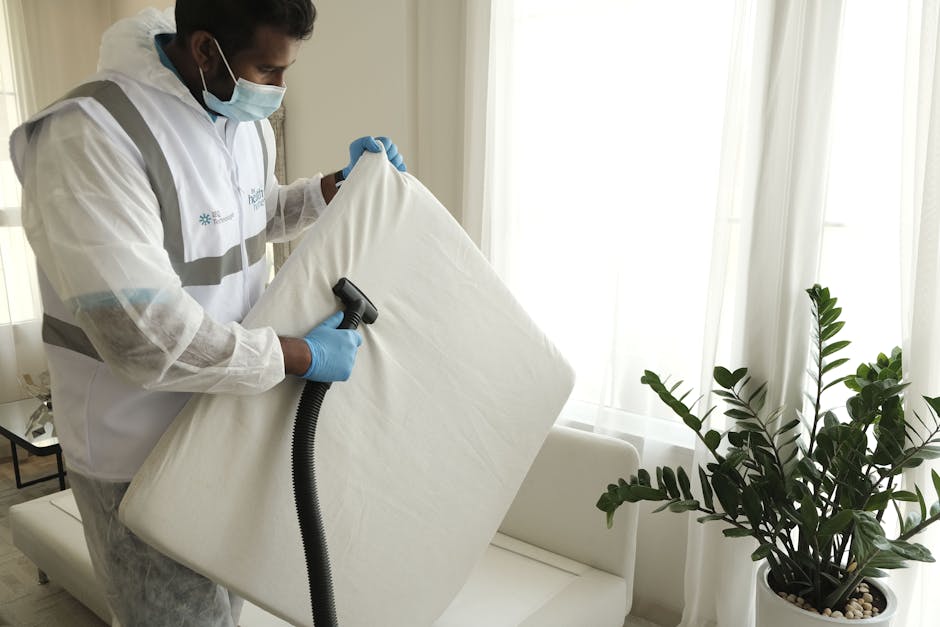
Step by Step Guide to Steam Cleaning Mattresses at Home
If your mattress has started to look tired, smell a bit stale, or just needs a proper reset, a steam clean can make a real difference. This step by step guide to steam cleaning mattresses at home walks you through the process in plain English, so you can tackle dust, surface grime, and lingering odours with more confidence and far less guesswork.
It is not magic. It is careful cleaning, a bit of patience, and knowing when to stop before you over-wet the fabric. Truth be told, that last part is where many people go wrong. Below, you will find a practical method, what steam cleaning can and cannot do, the mistakes to avoid, and the best way to keep the mattress safe while you clean it. If you are already planning a broader refresh, you may also find our deep cleaning and domestic cleaning pages useful for the bigger picture around home care.
Whether you are dealing with everyday sweat marks, a bit of dust-mite buildup, or a guest room mattress that has been ignored for too long, you will find a method here that is realistic for UK homes. Nothing fancy. Just solid, usable advice.
Table of Contents
- Why steam cleaning mattresses at home matters
- How steam cleaning works on a mattress
- Key benefits and practical advantages
- Who this is for and when it makes sense
- Step-by-step guidance
- Expert tips for better results
- Common mistakes to avoid
- Tools, resources and recommendations
- Law, compliance, standards, or best practice
- Options, methods, or comparison table
- Case study or real-world example
- Practical checklist
- Conclusion
- Frequently asked questions
Why Step by Step Guide to Steam Cleaning Mattresses at Home Matters
A mattress is one of the most-used items in the house, but it is easy to forget about it because you do not see it much. Day after day, it collects skin cells, dust, sweat, oils, and the occasional spill. Even if you change the sheets regularly, the mattress itself still needs attention from time to time.
Steam cleaning matters because it helps you do a deeper reset without relying only on sprays or powders. The heat can loosen grime from the surface and help freshen the mattress, especially in areas that have picked up odours. For many people, that is enough to make the bed feel noticeably cleaner. You know that faint, stuffy smell a room gets when bedding has been left too long? Steam cleaning is often the thing that cuts through it.
There is also the comfort factor. A clean mattress can make bedtime feel more restful. No dramatic claims, just a simple truth: sleeping on fresher bedding and a cleaner surface is usually more pleasant. If you have allergies or sensitivities, keeping bedding and mattresses cleaner can be part of a sensible routine, even though steam cleaning alone is not a cure-all.
Another reason it matters is cost. A decent mattress is not cheap, and replacing one too soon is annoying. Regular care can help you maintain it better, especially if you combine steam cleaning with proper vacuuming and airing. For a more structured home-care routine, many households pair this kind of task with one-off cleaning when they want a bigger reset without committing to ongoing visits.
How Step by Step Guide to Steam Cleaning Mattresses at Home Works
Steam cleaning uses heat and moisture to loosen dirt from the outer layers of the mattress fabric. The aim is not to soak the mattress. Far from it. You want controlled steam, short passes, and enough time afterwards for the mattress to dry thoroughly.
A steam cleaner produces hot vapour that helps break up surface dirt and can reduce some odours. On many mattresses, the fabric cover is where the benefit is most obvious. If the mattress has a foam core, though, you need to be extra careful. Foam holds moisture, and trapped damp can create its own problems. That is why the "step by step" part really matters.
Think of steam cleaning as a refresh method rather than a heavy restoration method. If a mattress has deep staining, mould, or serious water damage, steam is usually not the first answer. In those situations, a more cautious approach or professional help may be better. If you are unsure, a trusted cleaning company or experienced cleaners can advise on safer options.
Used properly, steam can help lift the feeling of general grime. Used carelessly, it can leave the mattress damp for too long. That is the balancing act. A careful clean, proper airflow, and patience afterwards. Simple, but easy to rush.
Key Benefits and Practical Advantages
There are a few clear reasons people choose to steam clean a mattress at home rather than ignoring it until the next replacement.
- Freshens the sleeping surface: It can reduce stale smells and make the mattress feel cleaner.
- Helps loosen surface dirt: Heat can break down some grime that vacuuming alone will not shift.
- Useful for routine maintenance: It fits neatly into a regular home-cleaning rhythm.
- May support allergy-conscious households: Cleaner bedding routines can help reduce buildup of dust and debris.
- Can extend mattress life: Keeping the surface in good condition often helps you get more years out of it.
There is also a psychological benefit that people underestimate. A fresher mattress makes the whole bedroom feel more looked after. It is the kind of small win you notice at 10pm when you pull back the duvet and think, ah, that's better.
For landlords, guest-room owners, and renters preparing a property, mattress care also matters because it supports a more presentable home overall. In a tenancy changeover, for example, it is one of those details that can make the place feel genuinely ready rather than merely surface-clean. If the property needs a fuller turnaround, end of tenancy cleaning is often the better fit.
Who This Is For and When It Makes Sense
This guide is for anyone who wants a practical, safe way to freshen a mattress at home without overcomplicating it. That includes homeowners, tenants, parents, pet owners, and anyone who has been putting off the task for a bit too long. Let's face it, mattresses are easy to ignore because they sit there being quiet and inconvenient.
Steam cleaning makes sense when:
- the mattress has light odours but no major damage
- you want to clean a guest bed before visitors arrive
- you are doing a seasonal bedroom refresh in spring or after a stuffy winter
- the surface has everyday marks from normal use
- you want a deeper clean after vacuuming and airing the room
It may not make sense when:
- the mattress is heavily soaked or has obvious mould growth
- the care label says moisture or steam should be avoided
- the mattress is made of a material that traps water too easily
- you need stain removal from a deep, old mark that has already set
If the mattress is part of a broader bedroom refresh, you might also be planning to clean upholstered furniture or curtains nearby. In that case, related services such as upholstery cleaning or sofa cleaning may be worth considering as part of the same clean.
Step-by-Step Guidance
Below is the practical method. Take your time with it. Rushing is usually what causes damp patches, lingering odours, or a mattress that feels worse the next day.
1. Check the mattress care label
Start by looking for the manufacturer's instructions. Some mattresses can handle surface steam better than others. If the label warns against soaking, excess moisture, or certain cleaning methods, follow that guidance. If there is no label, err on the cautious side.
2. Strip the bed completely
Remove sheets, mattress protectors, toppers, and pillowcases. Wash these separately so you are not just moving dirt around. This sounds obvious, but people skip it when they are eager to finish before lunch.
3. Vacuum the mattress thoroughly
Use a vacuum with an upholstery attachment if you have one. Go slowly across the top, sides, and seams. The seams are where dust and bits of debris like to hide. Vacuuming first is crucial because steam works better on a surface that is already free of loose dirt.
4. Treat obvious stains before steaming, if needed
If there are visible marks, blot them gently first rather than scrubbing hard. Heavy rubbing can push the stain deeper. For certain spots, a small amount of suitable upholstery cleaner may help, but keep products very light and test them in an inconspicuous area first.
5. Fill and prepare the steam cleaner properly
Use the machine according to its instructions and allow it to heat fully before starting. The ideal approach is controlled steam, not a wet blast. If your cleaner has settings, choose the lightest practical output. For mattresses, less is usually more.
6. Test a small hidden area
Try a tiny patch first, especially if the mattress fabric is delicate or the mattress is older. Check for discolouration, dampness, or texture change. Wait a few minutes. A mattress can sometimes look fine at first and then react oddly once it dries.
7. Steam in short, gentle passes
Work section by section. Keep the nozzle moving and avoid holding it in one place. Short passes are best. You are warming the surface and loosening grime, not soaking it like a sponge. Pay special attention to edges and any lightly marked areas, but do not linger.
8. Avoid over-wetting seams and memory foam
Seams, stitched areas, and foam cores can trap moisture. Use a very light touch around these parts. If your mattress is memory foam or has a thick foam layer, check the manufacturer advice before steaming. Some foam mattresses are better suited to vacuuming and spot-cleaning than full steam treatment.
9. Blot any excess moisture immediately
Use a clean, dry cloth to blot damp spots as you go. The cloth should pick up moisture rather than spread it. This is one of those unglamorous steps that makes the biggest difference later.
10. Let the mattress dry fully
Open windows if the weather allows, run a fan, and give it time. Drying may take several hours, and sometimes longer depending on the room temperature and the amount of steam used. Do not remake the bed until the mattress is properly dry. Sleeping on a still-damp mattress is uncomfortable and a bit foolish, frankly.
11. Reassemble with clean bedding
Once the mattress is fully dry, fit clean bedding and, if you use one, a mattress protector. This helps keep the mattress fresher for longer and reduces the need for frequent deep cleaning.
Expert summary: vacuum first, steam lightly, dry thoroughly. That is the real formula. Most of the success comes from restraint, not force.
Expert Tips for Better Results
A few small decisions make steam cleaning much more effective, and safer too.
- Choose a dry day if possible: Low humidity helps the mattress dry faster. On a wet British evening, drying can take longer than you expected.
- Open the window early: Airflow matters almost as much as steam itself.
- Use a fan for steady circulation: A fan is often better than blasting heat from one direction.
- Keep the steam cleaner moving: Stillness is the enemy here.
- Clean the room as well: Fresh bedding on a dusty mattress room is only half a win.
- Use a mattress protector afterwards: It helps prevent repeat buildup.
One practical trick: make the bed in the morning if you are planning to clean it that day. That way the mattress gets a longer drying window before night-time. A small thing, but useful.
If you are cleaning as part of a larger home tidy-up, pairing the mattress with house cleaning or even a more focused deep-cleaning session can save time and reduce the stop-start feeling that often makes these jobs drag on.
Common Mistakes to Avoid
Most mattress steam-cleaning problems come from a few repeated mistakes. Luckily, they are easy to avoid once you know them.
- Using too much steam: This is the big one. More steam does not mean better cleaning.
- Not vacuuming first: Loose dust and debris just get moved around.
- Scrubbing after steaming: That can damage the fabric or push dirt deeper.
- Skipping the drying stage: A damp mattress is a problem waiting to happen.
- Cleaning without checking the material: Some mattresses are simply not good candidates for steam.
- Using strong chemicals straight after steam: Mixing methods carelessly can damage the surface.
Another mistake is trying to fix every stain in one go. Sometimes you need to accept that a mattress is cleaner, not brand new. That is normal. Even the best clean has limits. A little realism helps.
If the mattress has a stubborn stain that has already settled into the fibres, a careful spot treatment may be more sensible than repeated steaming. Repeated passes can do more harm than good. Annoying, but true.
Tools, Resources and Recommendations
You do not need a huge toolkit for this task. In fact, keeping things simple is usually best.
| Tool or item | Why it helps | What to watch for |
|---|---|---|
| Upholstery vacuum attachment | Removes dust and loose debris before steaming | Go slowly so seams are properly cleaned |
| Steam cleaner with upholstery nozzle | Provides controlled heat for surface refresh | Use the lightest effective setting |
| Clean microfibre cloths | Useful for blotting moisture and lifting residue | Keep several on hand so you are not reusing damp cloths |
| Fan or open window | Speeds drying and reduces lingering damp | Do not rely on heat alone |
| Mattress protector | Helps keep the mattress cleaner after the job | Fit only when the mattress is fully dry |
If your mattress steam clean is part of a broader refresh of carpets, floors, or fabric furniture, you may also want to look at carpet cleaning, rug cleaning, or window cleaning for the rest of the room. A bedroom often feels dramatically better when the whole space is addressed, not just the bed itself.
Law, Compliance, Standards, or Best Practice
For a home task like this, there is usually no specific legal requirement about steam cleaning a mattress. Still, best practice matters, especially around safety, product use, and moisture control. In a UK household, it is sensible to follow the manufacturer's care instructions, use electrical equipment safely, and avoid methods that could create mould or hidden damp.
If you are cleaning a mattress in a rented property, be careful not to cause damage through over-wetting. That is not legal advice, just sensible housekeeping. For landlords, tenants, and letting situations, keeping good condition records and using careful cleaning methods is generally a smart approach. If you are unsure about broader property duties or what should be included in a turnover clean, end of tenancy cleaning standards are usually a useful benchmark for expectations.
Also, bear in mind the safety side of using any steam appliance. Hot vapour can burn skin, and electrical equipment should be used exactly as intended. The safer route is always the slower one. Not glamorous, but safer.
If you hire help for part of the job, it is reasonable to look for clear safety and service information. Pages such as insurance and safety and health and safety policy are useful signs that a company thinks about these things properly. That kind of transparency matters.
Options, Methods, or Comparison Table
Not every mattress needs the same treatment. Here is a simple comparison of the most common approaches.
| Method | Best for | Pros | Limitations |
|---|---|---|---|
| Vacuum only | Routine upkeep and light dust | Fast, safe, low-risk | Won't tackle odours or deeper surface grime |
| Spot cleaning | Small stains or isolated marks | Targeted and efficient | Needs care to avoid spreading marks |
| Steam cleaning | Surface refresh and general freshening | Effective on light grime and odours | Risk of moisture if overused |
| Professional clean | Heavier soiling, larger properties, time-poor households | Convenient and often more thorough | Higher cost than DIY |
For many homes, vacuuming plus careful steam cleaning is the sweet spot. If the mattress is only lightly marked, that may be all you need. If it is older, heavily stained, or part of a whole-room refresh, professional help can make more sense than wrestling with it for an afternoon. No shame in that.
Case Study or Real-World Example
Here is a typical scenario. A family has a spare bedroom that has not been used much over winter. The mattress smells a little stale, there is a faint ring mark near the edge, and the room feels closed in after months with the window shut.
They vacuum the mattress carefully, using the upholstery attachment around the seams. They then steam the top surface in short passes, blotting immediately with a dry cloth. The room window stays open, and a fan is left running for the afternoon. By evening, the mattress is dry, the odour is lighter, and the bed feels fresher once clean sheets go on.
What made the difference? Not fancy products. Not endless scrubbing. Just a careful process and enough drying time. That is usually how these jobs go when they go well. A bit boring, maybe, but effective.
In larger homes or busier households, this sort of task often gets added to a broader clean that includes other fabric surfaces. It makes sense to handle related areas together, rather than cleaning one surface at a time for three weekends in a row. Nobody needs that.
Practical Checklist
Use this before, during, and after the clean.
- Check the mattress care label
- Remove all bedding and wash it separately
- Vacuum the mattress carefully, including seams
- Spot-treat visible marks only if appropriate
- Test a small hidden area before full steaming
- Use short steam passes and keep the nozzle moving
- Blot moisture immediately with a clean dry cloth
- Open windows or use a fan for drying
- Wait until the mattress is fully dry before remaking the bed
- Fit a mattress protector for future prevention
If you can tick every box, you are in good shape. If one or two steps need more time, that is fine too. Better to do it properly than rush and regret it later.
Get a free quote today and see how much you can save.
Conclusion
Steam cleaning a mattress at home is one of those jobs that looks more intimidating than it really is. Once you break it down into simple steps, it becomes manageable: vacuum first, steam lightly, dry fully, and do not overthink it. The real skill is restraint.
A careful approach can leave your mattress fresher, your bedroom feeling cleaner, and your bedtime routine a bit more pleasant. And honestly, that is a decent outcome for one afternoon's work. If the task feels too large, too delicate, or the mattress is already showing signs of damage, it may be wiser to step back and choose a more suitable cleaning method.
Either way, a clean mattress is one of those quiet comforts you notice most at the end of the day. Small thing. Big difference.
Frequently Asked Questions
How often should you steam clean a mattress at home?
For many homes, once or twice a year is enough for general freshening, with regular vacuuming in between. If the mattress sees heavier use, or if there are spills or odour issues, you may need it more often.
Can all mattresses be steam cleaned?
No. Some mattresses, especially certain foam types or models with specific care instructions, should not be steam cleaned. Always check the label first and avoid using steam if the manufacturer advises against moisture.
Will steam cleaning remove mattress stains?
It can help with light surface marks and general grime, but older or set-in stains may need spot treatment or may not come out fully. Steam is better for refreshing than for heavy stain removal.
How long does a mattress take to dry after steam cleaning?
Drying time varies, but several hours is common. Good airflow, low humidity, and light steam use can speed things up. If the mattress still feels cool or damp to the touch, give it more time.
Is steam cleaning safe for memory foam mattresses?
It depends on the specific mattress and the manufacturer's instructions. Memory foam can trap moisture, so you need to be especially cautious. In many cases, light surface cleaning and vacuuming are safer than heavy steaming.
Do you need a special steam cleaner for mattresses?
A steam cleaner with an upholstery attachment is usually the most useful option. You want controlled output and a nozzle that lets you work in short passes rather than flooding the fabric.
Can steam cleaning help with odours?
Yes, it can help reduce stale smells on the surface, especially when combined with proper drying and fresh bedding. It is not a cure for major damp or mould odours, though.
Should you use cleaning products with a steam cleaner?
Usually not at the same time. Steam cleaning is meant to work with heat and moisture. If you need a cleaner for a spot stain, use it carefully before steaming and only if it is suitable for the fabric.
What is the biggest mistake people make when steam cleaning a mattress?
Using too much moisture is the most common mistake. People think more steam means more cleaning, but on a mattress that can lead to long drying times and possible damage.
When should you call in a professional instead?
If the mattress has mould, heavy staining, serious odour, water damage, or unclear material instructions, professional help is often the safer choice. It is also sensible if you simply do not have time to dry it properly.
Can steam cleaning damage a mattress?
Yes, if it is overdone. Excess moisture, heat held in one spot, or cleaning against the manufacturer's guidance can all cause problems. Used carefully, though, steam cleaning is generally a sensible maintenance method for suitable mattresses.
Is steam cleaning enough on its own?
Usually not. The best results come from vacuuming first, steaming lightly, drying thoroughly, and using a mattress protector afterwards. Think of steam as part of a routine, not the whole routine.